Embark on a journey through Northern Home Improvement Solutions for Harsh Weather Conditions, where homes are fortified against the harshest elements nature can throw. Discover how homeowners tackle the challenges of maintaining their abodes in extreme conditions.
Introduction to Northern Home Improvement Solutions
Northern Home Improvement Solutions for Harsh Weather Conditions refer to the necessary modifications and upgrades homeowners need to make in order to protect their homes from extreme weather conditions prevalent in Northern regions.
It is essential to adapt homes for harsh weather conditions in the Northern regions due to the extreme climate conditions such as heavy snowfall, freezing temperatures, strong winds, and ice accumulation. Without proper preparations, homes in these areas are at risk of damage, structural issues, and energy inefficiency.
Challenges Faced by Homeowners
Homeowners in Northern regions face various challenges in maintaining their homes in harsh weather conditions, including:
- Lack of proper insulation leading to heat loss and energy wastage.
- Structural damage from ice dams, snow accumulation, and freezing temperatures.
- Risk of burst pipes and water damage due to freezing temperatures.
- Increased energy bills due to inefficient heating systems.
Roofing Solutions
When it comes to choosing roofing materials for Northern climates, durability and weather resistance are key factors to consider. Here are some options suitable for harsh weather conditions:
Metal Roofing
Metal roofing, such as steel or aluminum, is known for its durability and longevity in extreme weather conditions. It can withstand heavy snow loads and high winds, making it a popular choice for Northern regions.
Asphalt Shingles
Asphalt shingles are a more budget-friendly option that still provides decent protection against harsh weather. While not as durable as metal roofing, asphalt shingles are relatively easy to repair and replace when damaged.
Slate Roofing
Slate roofing is a premium option known for its beauty and longevity. It is highly resistant to freezing temperatures and heavy snow, making it a great choice for Northern climates. However, it can be costly to install and repair.
Tips for Maintenance and Repair
- Regularly inspect your roof for any signs of damage, such as missing shingles or leaks.
- Clean out gutters and downspouts to prevent water buildup and ice dams.
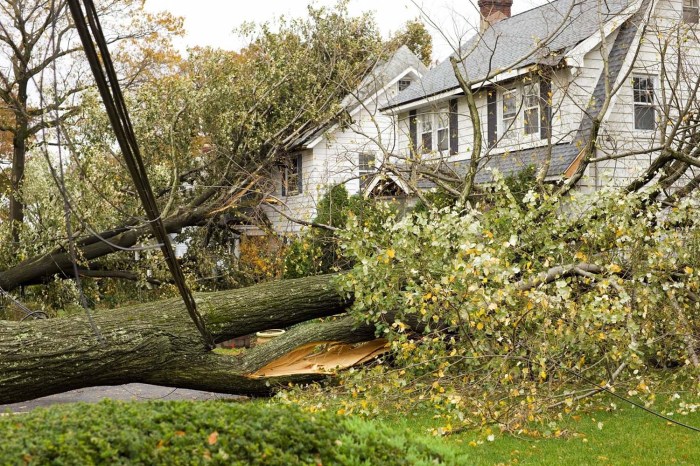
- Trim overhanging tree branches to prevent damage from falling limbs during storms.
- Consider hiring a professional roofer for regular maintenance and repairs to ensure your roof stays in top condition.
Insulation and Energy Efficiency
Proper insulation is crucial for Northern homes to maintain a comfortable indoor temperature and reduce energy costs. Without adequate insulation, homes can lose heat in the winter and gain excess heat in the summer, leading to higher energy consumption.
Energy-Efficient Solutions
- Upgrade to high-efficiency windows and doors to prevent heat loss and gain.
- Insulate walls, floors, and attics to create a thermal barrier and reduce energy transfer.
- Seal air leaks and gaps in the home to prevent drafts and maintain a consistent temperature.
Methods to Improve Energy Efficiency
- Utilize programmable thermostats to control heating and cooling based on your schedule.
- Invest in energy-efficient HVAC systems that are properly sized for your home.
- Use ceiling fans to circulate air and reduce the workload on your heating and cooling systems.
- Consider renewable energy sources like solar panels to supplement your energy needs.
Exterior Protection
When it comes to protecting the exterior of homes from harsh weather conditions in Northern regions, there are several strategies that homeowners can implement to ensure durability and safety.
Storm Shutters
- Storm shutters are a great addition to Northern homes as they provide protection against strong winds and flying debris during storms.
- These shutters can help prevent damage to windows and doors, reducing the risk of water infiltration and structural damage.
- Investing in storm shutters can also increase the overall energy efficiency of the home by minimizing heat loss during cold winters.
Sturdy Doors and Windows
- Choosing sturdy doors and windows made of high-quality materials is essential for withstanding the extreme weather conditions in Northern areas.
- These features not only enhance the security of the home but also help in maintaining a comfortable indoor environment by keeping out drafts and moisture.
- Properly sealed and insulated doors and windows can significantly reduce energy costs and improve overall insulation efficiency.
Landscaping and Exterior Design Tips
- When landscaping for harsh weather conditions, opt for hardy plants and trees that can withstand strong winds, heavy snow, and freezing temperatures.
- Strategic placement of shrubs and bushes can act as windbreaks, protecting the home from harsh gusts and reducing heat loss.
- Consider incorporating features like sloped roofs, overhangs, and durable siding materials to enhance the resilience of the home's exterior against severe weather.
Heating Systems
Heating systems play a crucial role in keeping homes warm and comfortable, especially in harsh Northern climates. It is essential to explore different heating systems to find the most efficient option for extreme cold weather conditions.
Types of Heating Systems
- Forced Air Systems: These systems use a furnace to heat air, which is then distributed throughout the home via ductwork.
- Radiant Heating: This system involves heating panels installed under the floors or in the walls, providing a consistent and even heat distribution.
- Heat Pumps: These systems extract heat from the air or ground and transfer it into the home, offering energy-efficient heating.
Comparing Efficiency in Extreme Cold Weather
- Forced air systems may struggle to maintain efficiency in extremely cold temperatures, as they rely on air circulation which can be challenging in freezing conditions.
- Radiant heating systems are known for their ability to provide consistent warmth even in extreme cold, making them a reliable option for Northern climates.
- Heat pumps may lose efficiency in very low temperatures, but advancements in technology have made them more suitable for cold weather conditions.
Maintenance Practices
- Regularly changing air filters is crucial for maintaining the efficiency of forced air systems.
- Ensuring proper insulation and sealing of ductwork can help prevent heat loss and improve the performance of heating systems.
- Scheduling annual maintenance checks with a professional technician can help identify and address any issues before they escalate, ensuring optimal functioning of the system.
Final Summary
In conclusion, Northern Home Improvement Solutions for Harsh Weather Conditions stand as a beacon of resilience and innovation in the face of challenging climates. From roofing to heating systems, these solutions offer homeowners the tools to fortify their homes for any weather eventuality.
Commonly Asked Questions
What are some common roofing materials suitable for Northern climates?
Common roofing materials include asphalt shingles, metal roofs, and cedar shakes, known for their durability in harsh weather conditions.
How can homeowners enhance energy efficiency in Northern homes?
Homeowners can improve energy efficiency by ensuring proper insulation, using energy-efficient heating and cooling systems, and sealing any drafts in the home.
What are some exterior protection strategies for homes in harsh weather regions?
Strategies include installing storm shutters, sturdy doors, and windows, as well as landscaping with weather-resistant plants to protect the exterior of homes.