Exploring the landscape of Hanson Home Improvement Costs: What to Expect in 2025 sets the stage for a journey filled with insights and revelations, enticing readers to delve into the world of upcoming trends and expenses in the realm of home improvements.
Delving deeper into the specifics of factors influencing costs and the breakdown of expenses, this article promises to be an informative guide for homeowners planning future projects.
Hanson Home Improvement Costs Overview
When considering home improvement costs in 2025, it's important to take into account various factors that can influence the overall expenses. Factors such as materials, labor, location, and the scope of the project play a significant role in determining the final cost.
Factors Influencing Home Improvement Costs
- Materials: The cost of materials can vary greatly depending on the quality and type of products chosen for the project.
- Labor: Labor costs can fluctuate based on the skill level of the workers, project complexity, and market demand for construction services.
- Location: The cost of home improvement projects can be influenced by the geographical location of the property, with urban areas typically having higher costs than rural areas.
Breakdown of Typical Expenses
- Materials: [Provide examples and average costs for common materials used in home improvement projects.]
- Labor: [Discuss typical hourly rates for labor and how it can impact the overall budget.]
- Permits and Fees: [Explain the importance of permits and associated costs for various home improvement projects.]
Impact of Market Trends on Pricing
Market trends can also have a significant impact on pricing for home improvement projects. For example, fluctuations in the cost of raw materials, changes in demand for certain services, and economic conditions can all influence pricing. Keeping an eye on market trends and being flexible with project timelines can help homeowners navigate potential cost changes.
Popular Home Improvement Projects
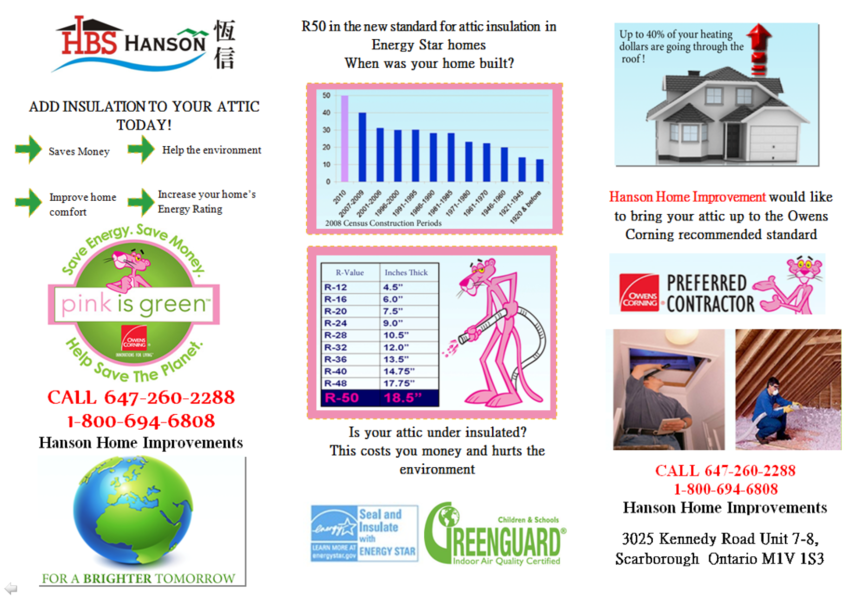
Homeowners often undertake various home improvement projects to enhance the functionality, aesthetic appeal, and value of their homes. These projects can range from minor updates to major renovations, each with its associated costs.
Kitchen Remodels
One of the most popular home improvement projects is a kitchen remodel. This typically involves updating cabinets, countertops, appliances, and flooring to create a more modern and functional space. The costs of a kitchen remodel can vary widely depending on the scope of the project, quality of materials, and labor costs.
On average, homeowners can expect to spend between $12,000 to $35,000 for a mid-range kitchen remodel, while a high-end remodel can cost upwards of $60,000 or more.
Bathroom Upgrades
Another common home improvement project is upgrading bathrooms. This may include installing new fixtures, retiling, replacing vanities, or even adding a new shower or bathtub. The costs of bathroom upgrades can also vary based on the extent of the renovation and the quality of materials used.
On average, homeowners can expect to spend between $10,000 to $25,000 for a mid-range bathroom upgrade, with luxury renovations costing significantly more.
Emerging Trends in Home Improvement
With the advancement of technology and changing lifestyle preferences, there are emerging trends in home improvement projects that may impact costs. For example, the increasing popularity of smart home technologies may drive up the costs of renovations to accommodate these features.
Additionally, eco-friendly and sustainable home improvements, such as solar panel installations or energy-efficient appliances, are becoming more prevalent, albeit at a higher initial cost. Keeping up with these trends can help homeowners make informed decisions about their home improvement projects and budget accordingly.
Cost-saving Strategies for Home Improvement
When it comes to home improvement projects, there are several strategies that homeowners can use to save money without compromising on quality
DIY vs. Hiring Professionals
One way to save money on home improvement projects is by deciding whether to tackle the project yourself or hire a professional. While DIY projects can save you on labor costs, they may require more time and effort on your part.
On the other hand, hiring professionals can ensure a quicker and more efficient job, but at a higher cost. Consider your skill level, time availability, and the complexity of the project before making a decision.
Finding Affordable Materials
Another cost-saving strategy is to find affordable materials without compromising on quality. Look for sales, discounts, or clearance items at local home improvement stores. You can also consider shopping online for deals or visiting salvage yards for unique finds at a lower cost.
Additionally, consider using recycled or repurposed materials to add character to your home while saving money.
Regional Variances in Home Improvement Costs
When it comes to home improvement costs in 2025, there are significant variations depending on the region where the project is taking place. Factors such as material availability, labor rates, and overall cost of living play a role in determining the expenses involved.
Urban vs. Rural Areas
Home improvement costs tend to be higher in urban areas compared to rural locations. The demand for skilled labor, higher property values, and increased competition among contractors all contribute to the elevated prices in cities.
- In urban areas, the cost of materials may also be higher due to limited space for storage and increased transportation expenses.
- On the other hand, rural areas typically have lower labor rates and a more relaxed pace of work, leading to more affordable home improvement projects.
Impact of Location on Material Prices and Labor Rates
The geographical location of a home improvement project can significantly impact the prices of materials and labor rates. For example, regions with harsh climates may require specialized materials that are more expensive, driving up the overall project cost.
Areas with high demand for construction materials may experience price fluctuations, affecting the overall budget of home improvement projects.
- Labor rates can also vary greatly depending on the cost of living in a particular region. Urban areas with a higher cost of living will generally have higher labor rates compared to rural areas.
- Additionally, remote locations may face challenges in sourcing skilled labor, leading to increased labor costs for home improvement projects.
End of Discussion
In conclusion, Hanson Home Improvement Costs: What to Expect in 2025 paints a vivid picture of the potential expenses and savings strategies homeowners can employ, offering a glimpse into the evolving landscape of home renovations.
Commonly Asked Questions
What are some key factors influencing home improvement costs in 2025?
Factors such as material prices, labor rates, and market trends play a significant role in determining home improvement costs in 2025.
What are some cost-saving strategies homeowners can utilize for home improvement projects?
Homeowners can save money by comparing quotes, considering DIY options, and sourcing affordable materials without compromising quality.
How do home improvement costs vary between urban and rural areas in 2025?
Urban areas tend to have higher labor rates and material prices compared to rural areas, impacting overall home improvement costs.