Exploring the latest trends in Northern Home Improvement Design for Cold Climates, this article delves into key elements essential for homes in chilly regions. From color schemes to insulation, discover how to create a cozy and efficient living space that can withstand harsh weather conditions.
With a focus on both exterior and interior design trends, this guide offers valuable insights on creating a stylish and functional home in cold climates.
Northern Home Improvement Design Trends for Cold Climates
In cold climates, certain design elements are crucial to ensure homes are both functional and comfortable. These elements help in maintaining warmth, energy efficiency, and overall aesthetics of the house.
Key Design Elements for Cold Climates
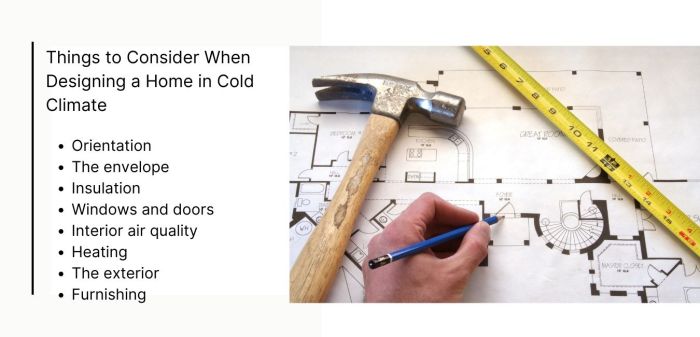
When designing homes in cold climates, it is important to incorporate the following key elements:
- Proper insulation to keep the heat inside and prevent energy loss.
- High-quality windows and doors that are energy-efficient and well-sealed.
- Use of dark and warm colors for walls and decor to create a cozy atmosphere.
- Fireplaces or wood stoves for additional heating options.
Impact of Color Schemes in Cold Climates
The choice of color schemes can greatly impact the feel and functionality of a home in a cold climate. Dark and warm colors such as deep blues, rich browns, and earthy tones can create a sense of warmth and coziness, while also absorbing sunlight to help heat the space naturally.
Materials Best Suited for Cold Climate Home Improvements
When it comes to materials, options that provide both durability and insulation are ideal for cold climate home improvements. Examples include:
- Double-glazed windows to reduce heat loss.
- Insulated siding to improve energy efficiency.
- Thick carpets or rugs for added insulation on floors.
- Heavy curtains or drapes to trap heat indoors.
Importance of Insulation and Energy-Efficient Design
Insulation plays a vital role in cold climate homes by preventing heat loss and reducing energy consumption. Energy-efficient design features such as smart thermostats, LED lighting, and energy-efficient appliances can further enhance the sustainability and comfort of the home.
Exterior Design Trends
When it comes to homes in cold climates, exterior design trends play a crucial role in both aesthetics and functionality. The harsh weather conditions require special attention to ensure that the exterior of a home is not only visually appealing but also durable.
Landscaping in Cold Climate Home Exteriors
Landscaping is a key component of exterior design in cold climates. It not only enhances the curb appeal of a home but also serves practical purposes such as protecting the house from harsh winds and snow. In cold climates, evergreen trees and shrubs are popular choices for landscaping as they provide year-round greenery and can withstand the cold temperatures.
Creating Visually Appealing Exteriors
To create a visually appealing exterior that can withstand harsh weather conditions, consider using durable materials such as stone, brick, or fiber cement siding. Adding elements like a covered porch or a metal roof can also enhance the overall look of the home while providing protection from the elements.
Innovative Exterior Design Features
- Insulated siding: Insulated siding helps improve energy efficiency and can provide additional protection against the cold.
- Heated driveways: Heated driveways prevent snow and ice buildup, making them a practical addition to homes in cold climates.
- Triple-pane windows: Triple-pane windows offer better insulation and soundproofing, ideal for homes in cold climates.
- Outdoor lighting: Well-placed outdoor lighting not only enhances the look of the home but also improves safety during dark winter nights.
Interior Design Trends
In cold climates, interior design trends focus on creating a cozy and functional space that maximizes comfort and efficiency.
Use of Textures and Fabrics
Textures and fabrics play a crucial role in cold climate interiors, adding warmth and coziness to the space. Consider incorporating plush rugs, soft throws, and velvet or wool upholstery to create a welcoming atmosphere. Opt for heavy curtains or drapes to help insulate windows and keep the cold out.
Maximizing Natural Light
Maximizing natural light in interior spaces is essential during long winter nights in cold climates. To combat the darkness, strategically place mirrors to reflect light and choose light-colored walls and furniture to enhance brightness. Consider installing skylights or larger windows to bring in more natural light.
Integration of Smart Home Technology
Smart home technology can greatly improve energy efficiency in cold climate interiors. Consider installing programmable thermostats to regulate heating based on occupancy and preferences. Smart lighting systems can adjust brightness levels according to natural light availability, helping to reduce energy consumption.
Additionally, smart blinds or shades can be programmed to open and close based on sunlight exposure, further enhancing energy efficiency.
Sustainable Design Practices
When it comes to home improvement projects in cold climates, incorporating sustainable design practices can not only benefit the environment but also enhance the overall efficiency and comfort of your home. By using eco-friendly materials and construction techniques, homeowners can reduce their carbon footprint and create a healthier living space.
Benefits of Sustainable Design Practices in Cold Climates
- Utilizing energy-efficient insulation materials such as cellulose or recycled denim can help maintain a consistent temperature inside the home, reducing heating costs in the long run.
- Installing high-performance windows with low-E coatings can minimize heat loss and maximize natural light, enhancing energy efficiency and comfort during colder months.
- Opting for renewable energy sources like solar panels or geothermal heating systems can further reduce reliance on fossil fuels and lower utility bills over time.
Green Building Certifications for Cold Climate Homes
- LEED (Leadership in Energy and Environmental Design) certification provides a framework for sustainable building design and construction, focusing on energy efficiency, water conservation, and indoor air quality.
- ENERGY STAR certification ensures that homes meet strict energy efficiency guidelines, reducing greenhouse gas emissions and promoting environmental sustainability.
- Passive House certification emphasizes ultra-low energy consumption and superior indoor comfort, making it ideal for cold climate regions where heating demands are high.
Long-Term Benefits of Sustainable Design
- Lower energy costs and reduced environmental impact contribute to long-term savings for homeowners, making sustainable design a wise investment in the future.
- Improved indoor air quality and thermal comfort enhance the overall well-being of occupants, creating a healthier and more enjoyable living environment.
- Incorporating sustainable design practices can increase the resale value of a home, attracting eco-conscious buyers and positioning the property as a desirable and environmentally friendly option in the real estate market.
End of Discussion
In conclusion, embracing these design trends can transform your Northern home into a warm and inviting sanctuary, combining style with practicality. Stay ahead of the curve with these innovative ideas for a comfortable living experience in cold climates.
FAQ Explained
What are some key design elements essential for homes in cold climates?
Key design elements include proper insulation, durable materials, and energy-efficient features to maintain warmth and comfort.
How can color schemes impact the feel and functionality of a home in a cold climate?
Warm colors can create a cozy atmosphere, while lighter shades can help maximize natural light and make spaces appear larger.
What sustainable design practices are beneficial for cold climate home improvements?
Using eco-friendly materials, implementing energy-efficient systems, and considering green building certifications can enhance sustainability in cold climate projects.